Histoplasmosis
Histoplasmosis
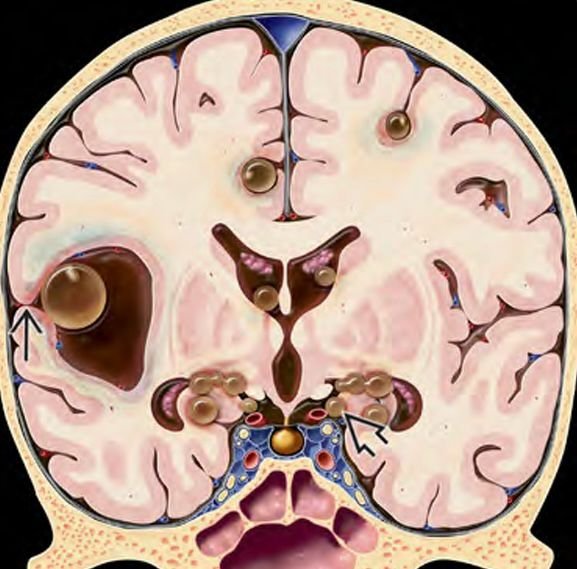
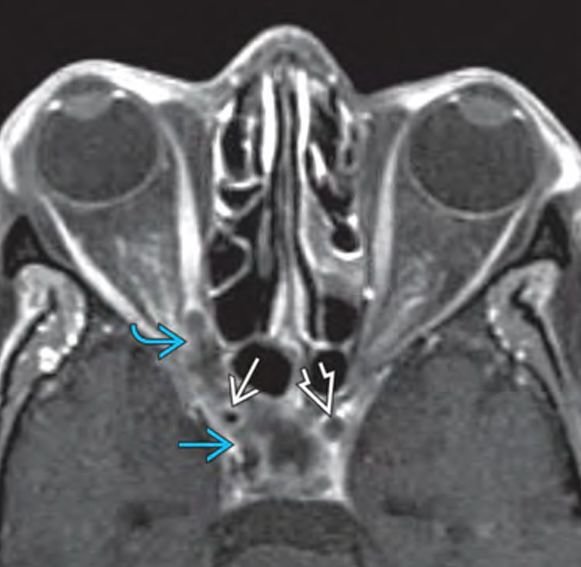
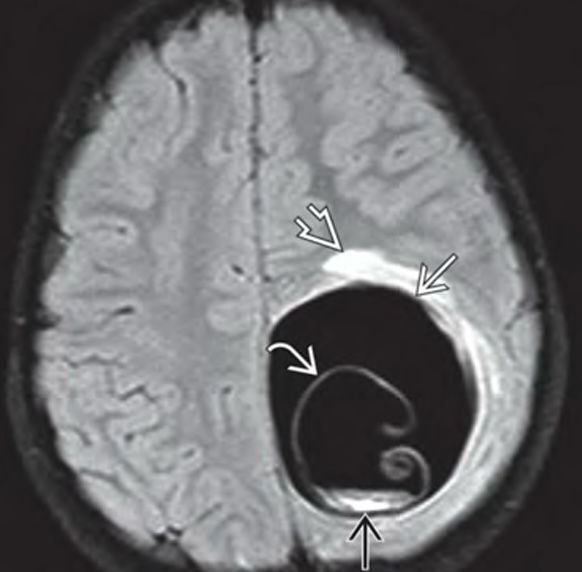
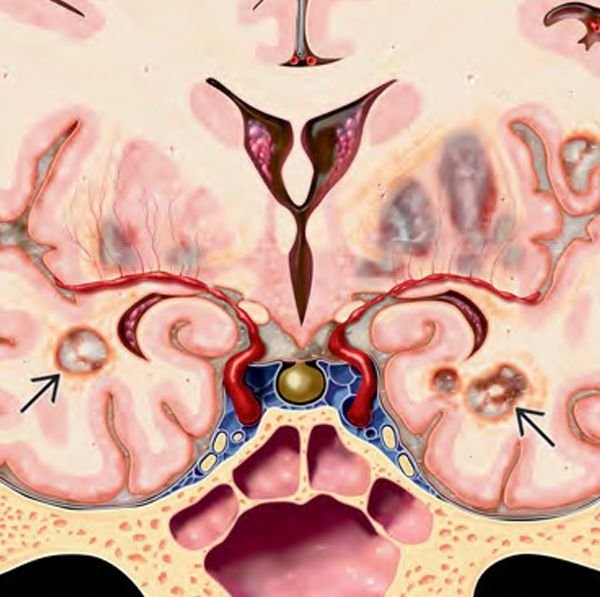
Pediatric histoplasmosis is a fungal infection caused by Histoplasma capsulatum, a soil-dwelling fungus commonly found in bird and bat droppings. While endemic regions primarily include parts of the Americas, understanding and recognizing histoplasmosis in children is crucial in Bangladesh due to increasing global travel, immunocompromised patients, and potential environmental exposure. The disease can range from mild respiratory illness to severe disseminated infection involving the central nervous system (CNS), requiring expert pediatric neurosurgical care. Dr. Md. Nafaur Rahman offers advanced diagnosis and multidisciplinary treatment for pediatric histoplasmosis cases, ensuring specialized care for children affected in Bangladesh. Causes and Risk Factors in Bangladesh Context Caused by inhalation of airborne Histoplasma spores present in contaminated soil, especially in areas with bird or bat droppings. Although histoplasmosis is rare in Bangladesh, international travel and migration increase exposure risks. Immunocompromised children, such as those with HIV/AIDS, cancer, or on immunosuppressive therapy, are at high risk for disseminated disease. Malnourished children and those with chronic illnesses may be more susceptible. Lack of awareness and limited diagnostic facilities pose challenges for timely identification. Clinical Presentation in Children Pediatric histoplasmosis exhibits a wide clinical spectrum: Acute pulmonary histoplasmosis presents with fever, cough, chest pain, and fatigue, often mimicking tuberculosis. Chronic pulmonary disease can cause persistent respiratory symptoms and lung fibrosis. Disseminated histoplasmosis affects multiple organs, including the liver, spleen, bone marrow, and CNS. Central nervous system involvement may lead to meningitis, brain abscesses, and neurological deficits like seizures, headaches, and altered mental status. Early recognition is essential to prevent complications. Diagnostic Strategies Detailed clinical history with attention to exposure risks and symptoms. Laboratory tests include fungal culture, histopathology, and antigen detection in blood, urine, and cerebrospinal fluid (CSF). Serological tests help confirm diagnosis but may have limitations. Neuroimaging (MRI/CT scans) detects CNS involvement such as meningitis or abscess formation. Differential diagnosis from tuberculosis and other endemic infections in Bangladesh is critical. Treatment and Management Antifungal therapy with amphotericin B, itraconazole, or other azoles is the mainstay. Treatment duration varies depending on disease severity and CNS involvement, often requiring prolonged therapy. Neurosurgical intervention may be needed for drainage of abscesses or management of complications like hydrocephalus. Supportive care includes nutrition, hydration, and managing underlying immunosuppression. Close monitoring is vital to ensure therapeutic response and detect relapses. Challenges in Bangladesh Low awareness of histoplasmosis among healthcare providers due to its rarity. Limited access to specialized fungal diagnostics and antigen detection tests. Frequent misdiagnosis as tuberculosis leads to inappropriate treatment delays. Economic and infrastructural barriers affect timely management. Need for enhanced training and resources to identify and treat pediatric fungal infections. Prognosis and Follow-up Early diagnosis and appropriate antifungal treatment significantly improve outcomes. CNS involvement is associated with higher morbidity and requires comprehensive multidisciplinary care. Long-term follow-up is essential to monitor neurological function and prevent relapse. Preventive measures focus on minimizing exposure in at-risk populations and managing immunosuppression carefully. Why Choose Dr. Md. Nafaur Rahman? ✅ Expertise in pediatric neurosurgical management of complex fungal infections including histoplasmosis. ✅ Access to multidisciplinary diagnostic and treatment facilities at NINS and Bangladesh Paediatric Neurocare Centre. ✅ Personalized care combining medical, surgical, and rehabilitative approaches. ✅ Commitment to raising awareness and improving outcomes for rare pediatric infections in Bangladesh. ✅ Dedicated to affordable, evidence-based care tailored to local needs. Contact for Pediatric Histoplasmosis Care in Bangladesh 📌 Dr. Md. Nafaur Rahman Assistant Professor, Department of Pediatric Neurosurgery, National Institute of Neurosciences & Hospital (NINS) Chief Consultant, Bangladesh Paediatric Neurocare Centre 📞 For Consultation and Emergency Contact: 📱 +8801912988182 | +8801607033535 🌐 Visit: www.neurosurgeonnafaur.com