Echinococcus (Hydatid Disease)
Echinococcus (Hydatid Disease)
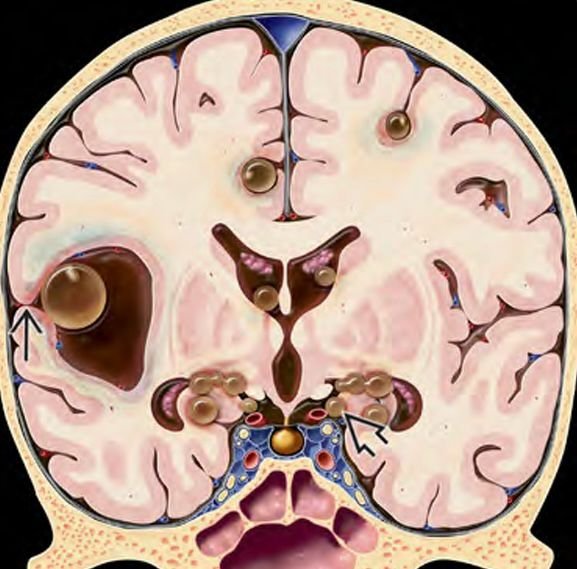
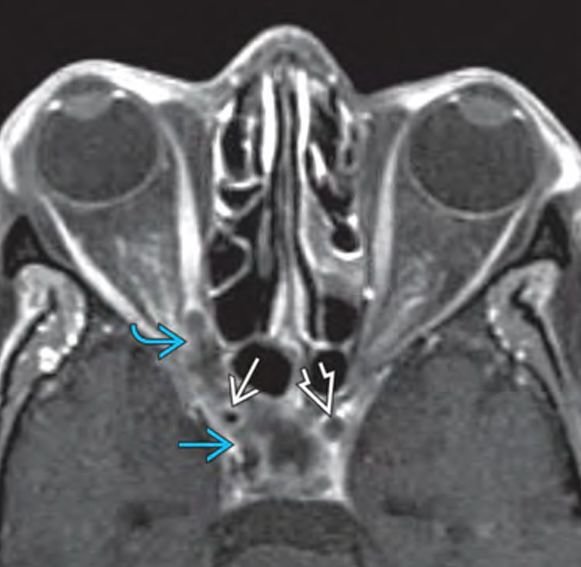
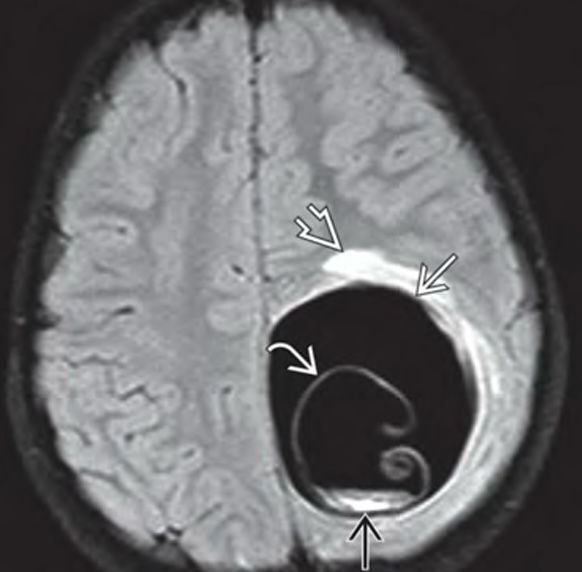
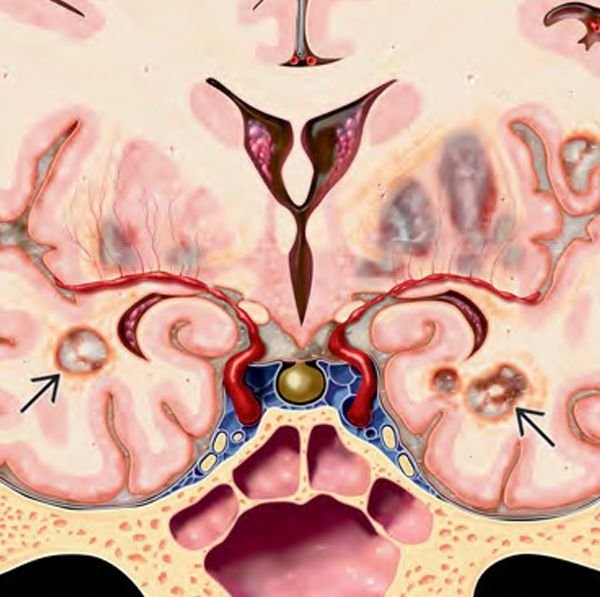
Echinococcosis, commonly known as Hydatid Disease, is a parasitic infection caused by the tapeworm Echinococcus granulosus. This disease primarily affects the liver and lungs but can rarely involve the brain and spinal cord in children, leading to severe neurological complications. In Bangladesh, hydatid disease remains a neglected tropical condition, especially in rural and agricultural communities where close contact with domestic dogs and livestock is common. The disease poses unique diagnostic and therapeutic challenges in pediatric patients due to their developing immune systems and vulnerability to neurological impairment. Dr. Md. Nafaur Rahman, a leading pediatric neurosurgeon in Bangladesh, offers specialized care with advanced surgical and medical management tailored to pediatric hydatid cysts involving the central nervous system. Understanding the Cause and Transmission Hydatid disease is transmitted through the fecal-oral route when humans accidentally ingest tapeworm eggs shed in the feces of infected dogs—the definitive hosts. In Bangladesh’s rural areas, close interaction with dogs, poor sanitation, and lack of awareness contribute to the continued spread of this zoonotic infection. Once ingested, eggs hatch in the intestine, releasing larvae that travel via the bloodstream, most commonly lodging in the liver and lungs. Occasionally, larvae penetrate the blood-brain barrier causing intracranial or spinal hydatid cysts—a rare but serious manifestation requiring prompt diagnosis and intervention. Clinical Presentation in Children Pediatric patients with hydatid cysts of the central nervous system may present with: Headaches and vomiting due to increased intracranial pressure Seizures or focal neurological deficits Visual disturbances or cranial nerve palsies Back pain or limb weakness if the spinal cord is involved Slowly progressive symptoms, often mistaken for tumors or abscesses Palpable abdominal masses if associated with liver involvement Early diagnosis is crucial to prevent permanent neurological damage. Diagnostic Approach in Bangladesh Dr. Nafaur Rahman recommends a comprehensive diagnostic workup including: Detailed clinical history focusing on exposure to dogs and livestock Neuroimaging: MRI and CT scans to visualize cystic lesions in the brain or spine Ultrasound and chest X-rays to detect hepatic or pulmonary cysts Serological tests (ELISA, indirect hemagglutination) to confirm echinococcal infection Complete blood count may show eosinophilia supporting parasitic infection In resource-limited settings, early referral to specialized centers like NINS or Bangladesh Paediatric Neurocare Centre ensures accurate diagnosis. Treatment Modalities for Pediatric Hydatid Disease Medical Therapy Albendazole remains the first-line anti-parasitic medication to reduce cyst size and prevent recurrence. Therapy is usually prolonged and requires close monitoring of liver function and blood counts. May be used as a preoperative adjunct or when surgery is contraindicated. Surgical Management Surgery is the definitive treatment for intracranial and spinal hydatid cysts. Dr. Nafaur Rahman utilizes: Careful cyst excision without rupture to prevent anaphylaxis and recurrence Microsurgical techniques to minimize neurological injury Preoperative albendazole therapy to sterilize cysts and reduce intraoperative risks Postoperative monitoring for complications such as CSF leaks or infection Surgical expertise is vital to ensure complete removal and reduce the risk of cyst dissemination. Challenges Specific to Bangladesh Limited awareness and late presentation due to rural healthcare barriers Diagnostic delays in community hospitals lacking advanced imaging Inadequate sanitation and stray dog control leading to ongoing transmission Financial constraints affecting prolonged medical therapy adherence Need for multidisciplinary care involving neurosurgery, infectious diseases, and rehabilitation Dr. Nafaur Rahman advocates for improved public health education, early diagnosis, and accessible specialized neurosurgical care. Prognosis and Follow-Up Prognosis depends on timely diagnosis and complete surgical excision Early treatment usually results in excellent neurological recovery Regular postoperative imaging and serological monitoring are essential to detect recurrence Lifelong follow-up may be needed in complex or multiple cyst cases Why Trust Dr. Md. Nafaur Rahman for Pediatric Hydatid Disease? ✅ Renowned pediatric neurosurgeon with extensive experience in managing rare parasitic CNS infections ✅ Access to modern surgical facilities and advanced neuroimaging at NINS and Bangladesh Paediatric Neurocare Centre ✅ Holistic care approach combining medical therapy, surgery, and rehabilitation ✅ Commitment to affordable care adapted to Bangladesh’s healthcare landscape ✅ Educates communities on prevention and early recognition of hydatid disease Contact Information for Consultation and Emergency Care 📌 Dr. Md. Nafaur Rahman Assistant Professor, Department of Pediatric Neurosurgery, National Institute of Neurosciences & Hospital (NINS) Chief Consultant, Bangladesh Paediatric Neurocare Centre 📞 Appointment & Emergency Contact: 📱 +8801912988182 | +8801607033535 🌐 Visit: www.neurosurgeonnafaur.com